How Resin Swelling Affects Solid Phase Peptide Synthesis: A Practical Guide
News Details
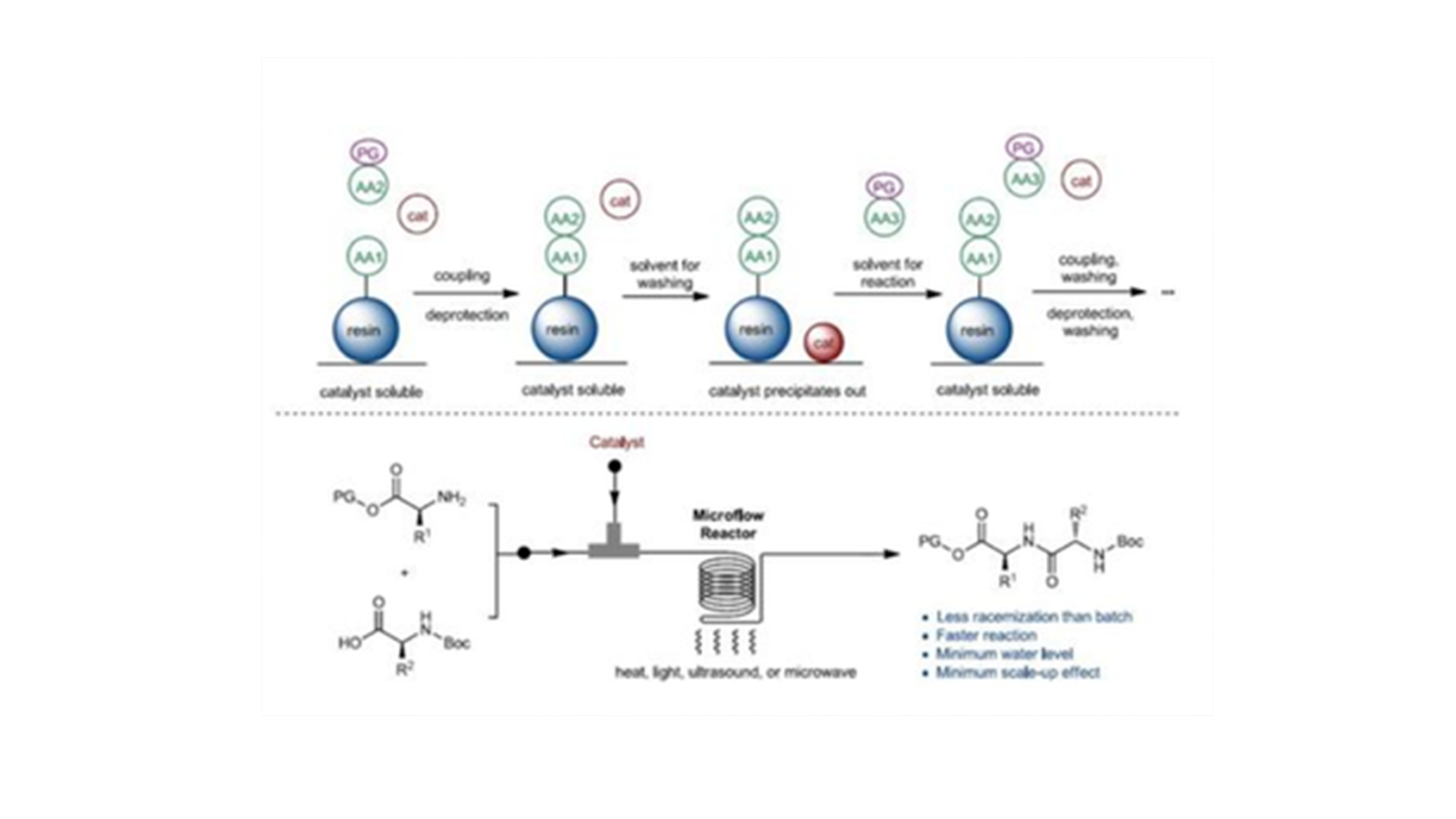
In Solid Phase Peptide Synthesis (SPPS), the resin is more than just a holder; it is the environment where the chemical "magic" happens. One of the most critical factors for success is resin swelling. If the resin does not swell properly, reagents cannot reach the reaction sites, leading to failed sequences and low purity. Understanding how to control this process is essential for any laboratory or pharmaceutical manufacturer.
The Science of Resin Swelling: Why Solvents Matter
Resin swelling occurs when solvent molecules penetrate the polymer network. This process is driven by the balance between osmotic pressure and the elasticity of the resin. For example, polar solvents like DMF (Dimethylformamide) interact strongly with polar resins, causing them to expand significantly.
In contrast, non-polar solvents like DCM (Dichloromethane) may cause less swelling in certain polar networks but are excellent for others. Choosing the right solvent is vital because it weakens the forces between polymer chains. This creates "space" for the amino acids to move and react. Typically, a resin that swells to 4 to 6 times its dry volume provides the best environment for a high-yield reaction.
Choosing the Right Resin: Strategies for Peptide Synthesis
When selecting a solid support, you must balance mechanical strength with chemical performance. Most experts use polystyrene-based resins with a 1% cross-linking degree. This specific level of cross-linking ensures the resin is stable enough to be filtered but flexible enough to swell deeply.
-
Wang Resin: Great for creating C-terminal acids, though it requires high TFA concentrations for cleavage.
-
2-CTC Resin: Very sensitive to acid, making it perfect for preparing protected peptide fragments without side reactions.
-
Rink Amide Resin: The gold standard for creating C-terminal amides, commonly used in pharmaceutical-grade peptide production.
Furthermore, the substitution degree (loading) is a key factor. For long, complex peptides, a lower loading (around 0.5 mmol/g) is better because it prevents the growing peptide chains from crowding and tangling together.
How to Optimize Swelling Conditions for Better Yields
To get the most out of your custom peptide synthesis, you must follow a strict pre-treatment protocol. First, always soak your resin in a solvent like DMF or DCM for at least 30 minutes. This ensures the beads are fully expanded before the first amino acid is added.
Additionally, consider the particle size. Smaller beads (200-400 mesh) provide more surface area and higher swelling ratios, which is ideal for research-scale projects. For industrial production, however, standard 100-200 mesh beads are often preferred because they are physically tougher and easier to handle in large reactors. By matching your solvent and resin type to your specific peptide length, you can significantly reduce waste and cost.
JIMEIJIAER: Precision Science for High-Performance Skincare
At JIMEIJIAER, we bring this level of laboratory precision to the world of beauty. We know that the quality of a peptide depends on how it was synthesized. By using optimized resin swelling and high-purity cleavage methods, we ensure that the peptides in our Multi-Peptide Anti-Wrinkle Essence are perfectly formed and highly active. Our commitment to GMP-standard manufacturing means every JIMEIJIAER product delivers the professional results your skin deserves.
Conclusion: Mastering the Solid Phase Environment
In summary, resin swelling is the foundation of successful peptide production. By choosing the right solvent, monitoring the loading degree, and allowing enough time for pre-treatment, you can ensure a smooth synthesis process. Whether you are developing a new life-saving drug or a luxury skincare line at our website, starting with the right solid support is the first step toward excellence.
Do you need advice on the best resin for your specific peptide sequence? Contact our technical experts today for a free consultation!


