Peptide Synthesis: A Simple Guide to How Peptides Are Made
News Details
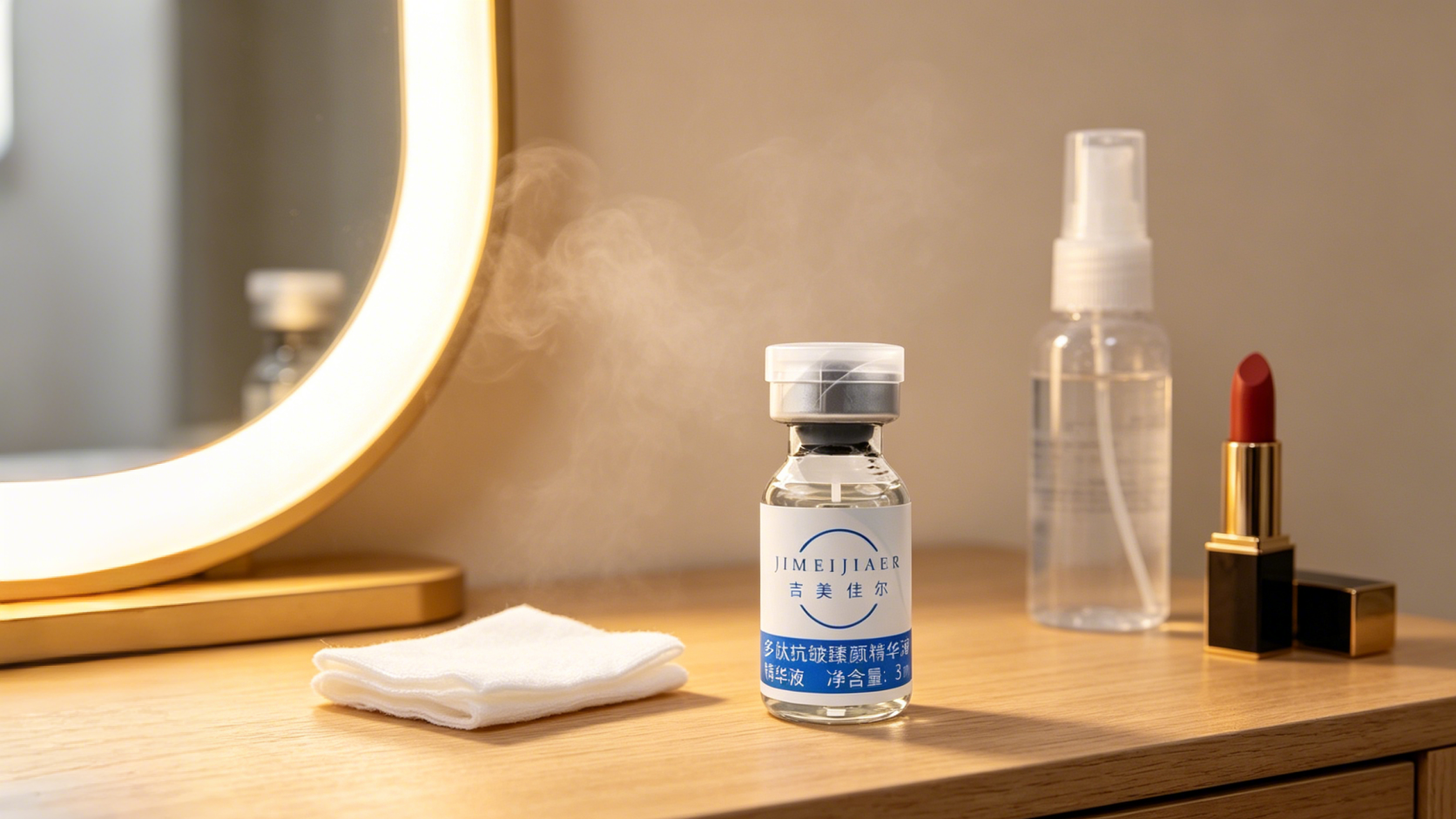
Peptides are the top ingredients in modern anti-aging skincare. They act as messengers to help skin build fresh collagen. But how are these tiny molecules actually made?
Most laboratories use a precise method called Solid-Phase Peptide Synthesis (SPPS). Here is a simple breakdown of how scientists build peptides from scratch.
1. Setting the Base
The synthesis process needs a solid foundation.
-
Selecting the Resin: Scientists start with a solid material called a resin.
-
The First Link: They attach the very first amino acid to this resin.
This initial step anchors the chain so it does not wash away during production.
2. Building the Peptide Chain
Once the base is ready, scientists add more amino acids one by one to grow the chain.
-
Adding Protection: Each new amino acid has a temporary shield, like Fmoc or Boc. This shield prevents accidental chemical reactions.
-
Removing the Shield: Scientists use a chemical wash to strip the shield away. This step is called deprotection.
-
Coupling: Scientists add the next amino acid. A special catalyst links it to the chain.
Laboratories repeat this cycle until the peptide chain reaches the exact length needed.
3. Cutting the Peptide Free
After building the full chain, the peptide is still stuck to the resin.
-
The Acid Wash: Scientists use a strong acid, usually Trifluoroacetic Acid (TFA).
-
Releasing the Chain: This acid cuts the bond between the peptide and the resin. It also removes any remaining protective shields.
4. Cleaning and Verification
The raw peptide powder is not completely pure yet. It needs cleaning and testing.
-
HPLC Cleaning: System operators pass the mixture through a High-Performance Liquid Chromatography (HPLC) machine. This machine separates pure peptides from waste material.
-
Mass Spectrometry: Experts use mass spectrometry to check the final weight. This test proves that the amino acids linked together in the perfect order.
JIMEIJIAER: Pure Peptides at Scale
Moving peptide synthesis from a small lab to mass factory production is highly difficult. JIMEIJIAER, the flagship brand of the global GL Group, solves this issue completely.
With 8 production bases and 70+ invention patents, our PhD teams synthesize over 10,000 custom peptide sequences every month. We make the pure ingredients found in top anti-aging products, such as our Multi-Peptide Anti-Wrinkle Perfecting Essence.
To protect these delicate ingredients from spoiling in liquid bottles, we use Advanced Lyophilization (Freeze-Drying). We snap-freeze the peptides at -40°C into a stable Unit-Dose Lyophilized Powder. This locks in 100% bio-activity until the moment of use. Discover our B2B manufacturing services at glanti-wrinklepep.com.
FAQ
What is the difference between Fmoc and Boc?
Fmoc and Boc are two types of protective shields for amino acids. Chemical teams wash Fmoc away using mild bases. Boc requires strong acids to clear it.
Why do cosmetic peptides need HPLC cleaning?
Raw peptides contain chemical byproducts. HPLC purification filters out these impurities. This ensures the ingredient is safe and will not cause skin redness or allergies.
Why does JIMEIJIAER freeze-dry its peptides?
Liquid peptides break down and lose power over time on store shelves. Freeze-drying removes moisture to keep the ingredients stable at full strength.


