Solid Phase Peptide Synthesis: A Professional Guide to Resin Cleavage Methods
News Details
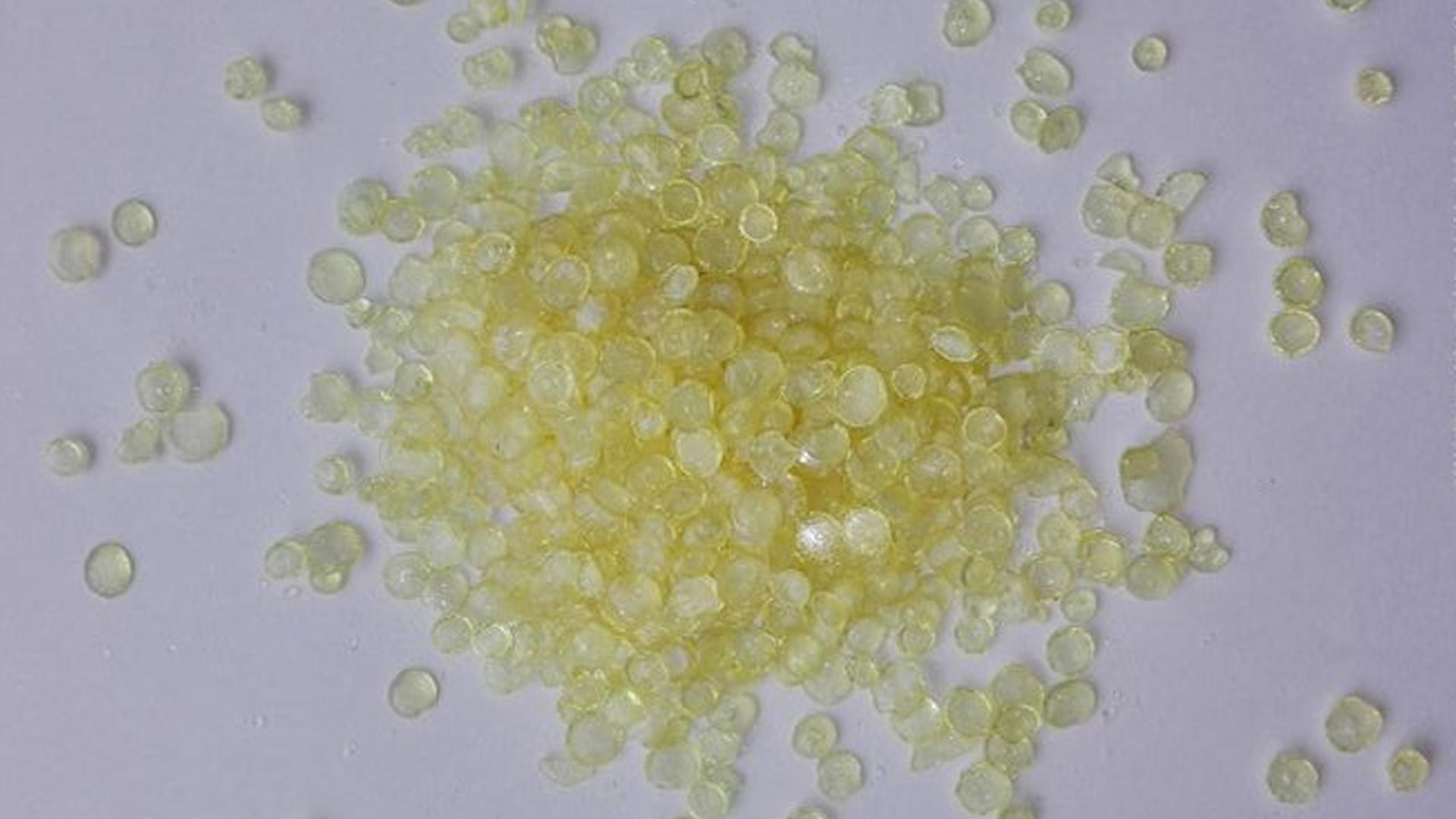
In the specialized world of custom peptide synthesis, the final step of removing the peptide from its solid support is vital. This process, known as resin cleavage, determines the purity and yield of your final product. Depending on your peptide sequence and the type of resin used, you must choose the right concentration of Trifluoroacetic Acid (TFA). Below, we explain the three primary cleavage methods used in modern laboratories to ensure high-quality results.
1. Concentrated TFA Cleavage: The Standard for Rink and Wang Resins
When working with Rink Amide or Wang resins, concentrated TFA cleavage is the most common approach. However, you must adjust the "cleavage cocktail" based on your amino acids.
For standard sequences, we use Cleavage Solution A (95% TFA, 2.5% TES, and 2.5% Water). This mixture works well for peptides with few sensitive residues. On the other hand, if your sequence contains multiple residues like Arginine (Arg), Cysteine (Cys), or Methionine (Met), you should use Cleavage Solution B. This version includes a thiol scavenger called DODT to prevent oxidation.
The process is straightforward: after drying the resin under a vacuum, add the liquid and react for two hours. Finally, use cold ether to precipitate the peptide and collect the raw solid through centrifugation.
2. Dilute TFA Cleavage: Protecting Delicate Peptide Chains
Sometimes, a harsh acid environment can damage your product. In these cases, dilute TFA cleavage (using Cleavage Solution C) is the better choice. This formula uses only 1% TFA mixed with Dichloromethane (DCM) and TES.
Because the acid concentration is so low, this method is much gentler. To ensure you get all the peptide out, you should perform four short 30-minute reactions rather than one long soak. After collecting the liquids, simply concentrate them under nitrogen and add cold water to precipitate your fully protected peptides. This method is excellent for researchers who need to keep certain chemical groups intact for further synthesis steps.
3. Mild Cleavage with TFE or HFIP: Maximum Selectivity
For the most sensitive projects, such as those using 2-Chlorotrityl Chloride resin, we use TFE (Trifluoroethanol) or HFIP (Hexafluoroisopropanol). These chemicals allow for a very mild cleavage that breaks the bond between the resin and the peptide without touching the side-chain protection groups.
Simply submerge the dry resin in a 20-25% solution and shake for two hours. Afterward, filter the liquid and evaporate the solvent at a low temperature (below 30°C). This highly selective method is a favorite for pharmaceutical-grade peptide production where structural integrity is the top priority.
JIMEIJIAER: Precision Cleavage for Potent Anti-Aging Results
At JIMEIJIAER, we apply these precise laboratory techniques to every batch of our skincare line. We understand that even a small mistake during resin cleavage can reduce the "freshness" of the ingredients. That is why our Peptide Anti-Wrinkle Essences are produced using optimized cleavage protocols to ensure 100% bio-activity. By combining GL Group's industrial expertise with advanced purification, we deliver professional-grade firming and lifting results directly to your skin.
Conclusion: Choosing the Right Path for Your Peptide
To sum up, there is no "one size fits all" method for resin cleavage. Whether you need the strength of concentrated TFA or the gentle touch of HFIP, the goal is always the same: a pure, active peptide. By mastering these techniques, you ensure that your research tools or skincare products at our perform at their absolute best.
Do you need help choosing the right cleavage solution for your sequence? Contact our technical experts today for a professional consultation!


