What Are Peptides? A Simple Guide to the Building Blocks of Health and Beauty
News Details
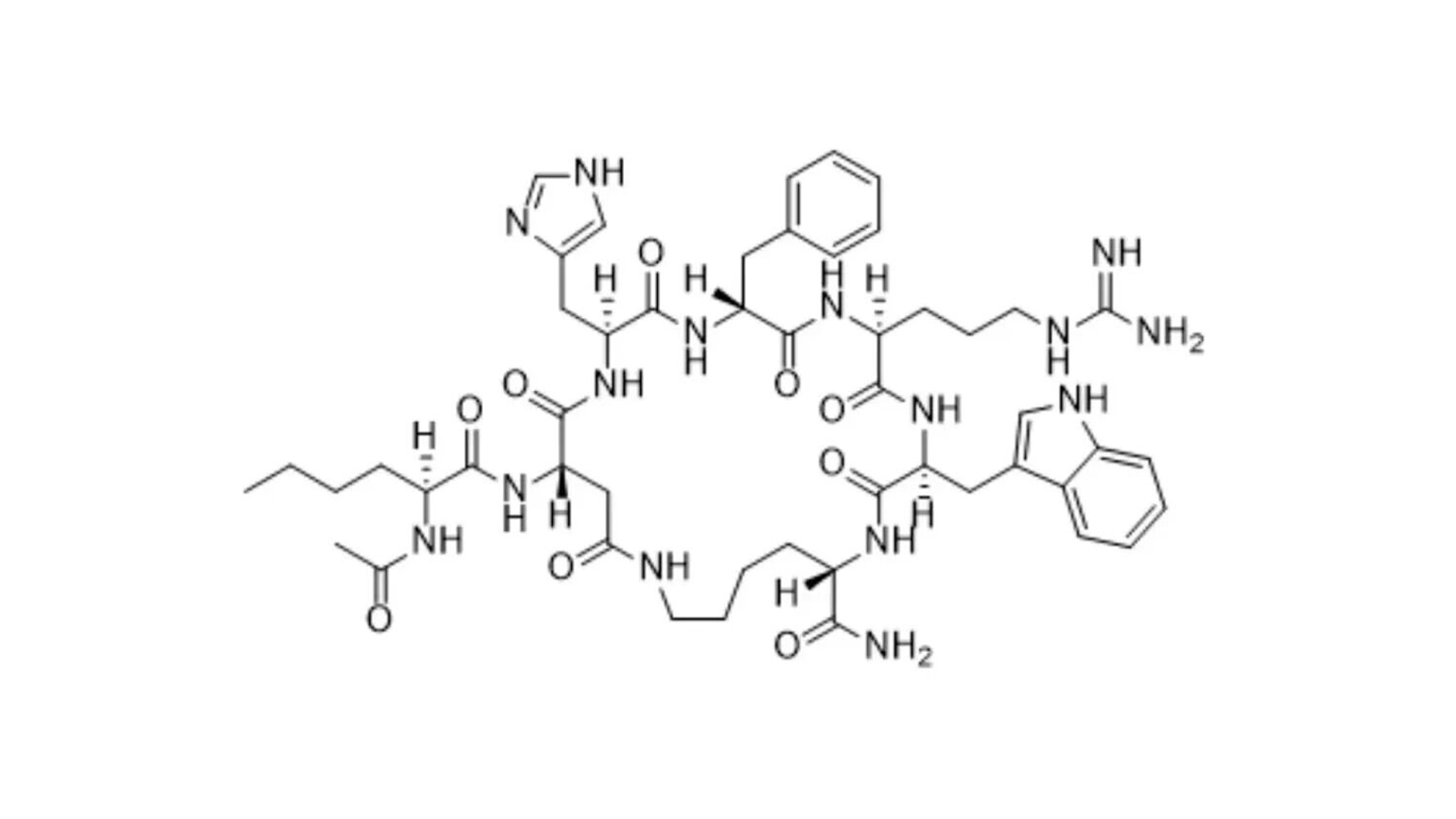
If you work in biology or skincare, you have likely heard the word "peptide" many times. But what exactly are they? Simply put, peptides are the "bridge" between simple amino acids and complex proteins. Because they are smaller than proteins, they are easier for the body to absorb and use. This makes them incredibly powerful tools for medicine, lab research, and high-end cosmetics.
1. Understanding the Basics: How Peptides are Formed
To understand peptides, we must look at their structure. Peptides are formed when two or more amino acids link together through a peptide bond. Depending on how many amino acids are joined, we use different names. For instance, a "dipeptide" has two amino acids, while an "oligopeptide" has up to twenty.
While they are similar to proteins, peptides are usually much smaller and have simpler shapes. This smaller size allows them to act as precise signaling molecules in the body. In fact, many hormones that regulate our daily life, like insulin, are actually peptides.
2. The Vital Role of Peptides in Medicine and Research
Peptides play a massive role in modern healthcare. For example, peptide drugs are now used to treat diabetes (like GLP-1) and even certain types of cancer. Because they have high activity and low toxicity, they are safer for many patients than traditional chemicals.
Furthermore, scientists use custom peptide synthesis to create vaccines and study cell signaling. In the lab, these molecules help us understand how diseases work and how to stop them. Additionally, many researchers use antigen peptides to produce high-quality antibodies for diagnostic tests.
3. Why Peptides are the Secret to Anti-Aging Skincare
In the beauty world, peptides are famous for their ability to "talk" to skin cells. For example, signal peptides can tell your skin to produce more collagen. This leads to firmer, younger-looking skin. Others, like carrier peptides, help transport important minerals like copper into the skin to speed up healing and repair.
Because peptides are so targeted, they can solve specific problems. Whether it is smoothing out expression lines or fading dark spots, these tiny molecules deliver big results. This is why the world's leading skincare brands now prioritize peptide-based formulas.
4. The Business Side: Quality Control and Pricing Models
As a professional in this field, I know that peptide pricing can vary greatly. For example, a product like Melanotan II—used for skin tanning—can have a wide price range. You might see a market price of 23 RMB/kg, while laboratory-grade versions might cost 600 or 800 RMB per gram.
Why the big difference? It comes down to GMP standards and purity. High-end research and medical-grade peptides require strict quality control and advanced synthesis methods. Therefore, choosing a supplier who understands the balance between cost and pharmaceutical quality is essential for your business success.
JIMEIJIAER: Leading the Way in Peptide Innovation
At JIMEIJIAER, we bridge the gap between lab-grade science and daily skincare. As a branch of the GL Group, we apply the same rigorous custom peptide synthesis standards to our beauty products. Whether you need a raw material supplier or a finished product like our Multi-Peptide Anti-Wrinkle Essence, we provide the purity and stability your brand deserves.
Conclusion: Harnessing the Power of Peptides
In summary, peptides are much more than just simple chains of amino acids. They are the future of medicine and the gold standard for anti-aging. By understanding their structure and application, you can make better choices for your research or your brand.
Looking for a reliable partner in peptide science? Visit us to explore our synthesis services and premium JIMEIJIAER products today!


