Freeze-Dried Skincare: How It Works and What to Check
News Details
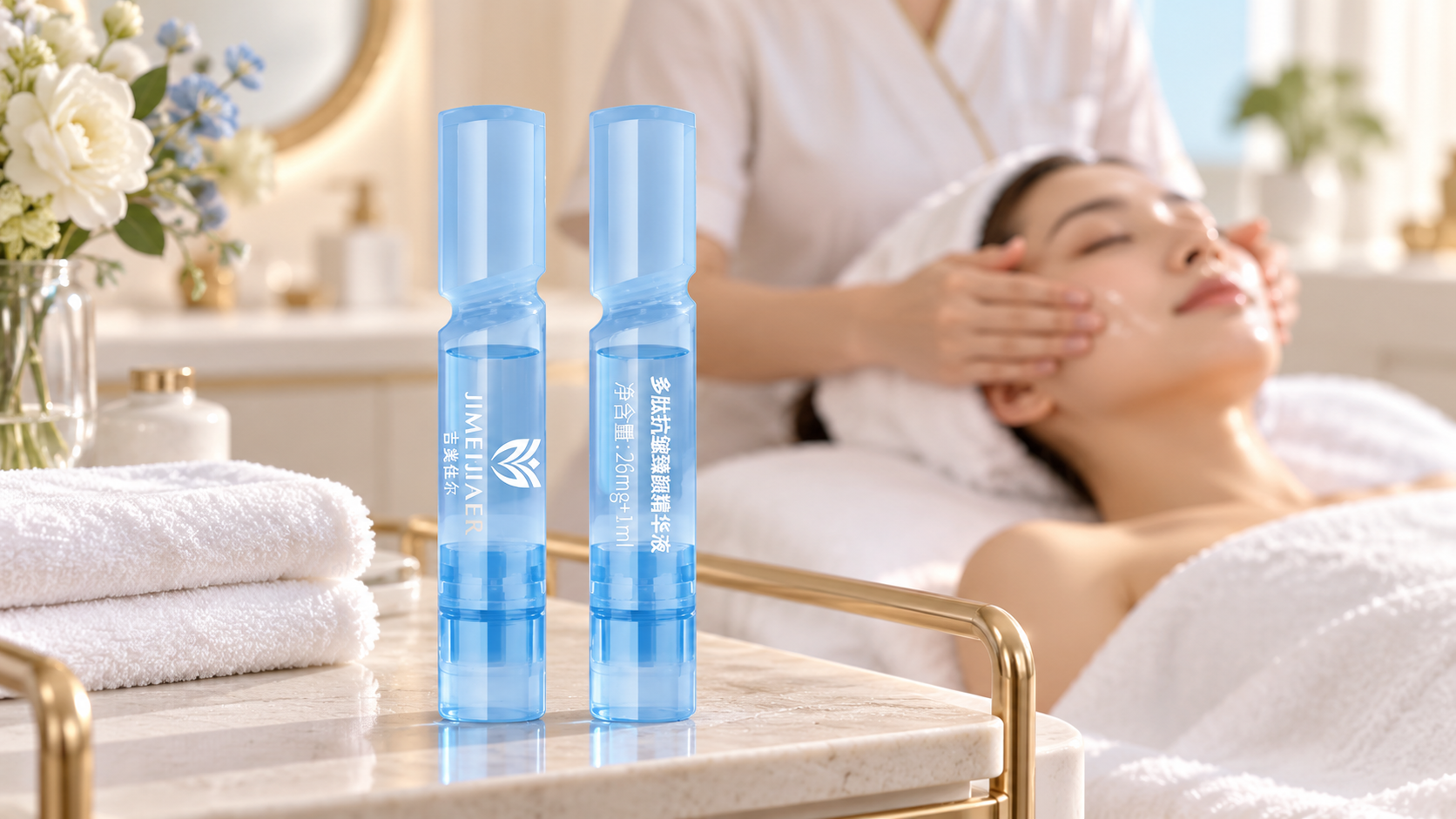
For beauty brands, a new product needs a clear purpose. It should meet a customer need, offer a good user experience, and give sales teams a benefit they can explain.
Freeze-dried skincare offers an interesting format for this task. It can keep a dry formula separate from its mixing liquid until use. As a result, it gives brands a different way to present ingredients and build a daily care ritual.
However, buyers need to look beyond the word “fresh.” Product quality depends on the formula, drying process, packaging, and storage conditions.
This guide explains how lyophilized skincare works and what B2B buyers should check. It also introduces JIMEIJIAER’s peptide essence as a product option for wholesale and retail ranges.
What Is Freeze-Dried Skincare?
Freeze-dried skincare contains a component made using freeze-drying, also called lyophilization. The process starts with a frozen preparation and removes water under reduced pressure.
During the main drying stage, ice changes directly into vapor. This step is called sublimation. A further drying stage then removes more of the remaining moisture.
In skincare, the result may take the form of a dry powder or porous solid. Depending on the product, users add a supplied liquid or activate a built-in mixing system before application.
However, not every powder product is freeze-dried. Likewise, a two-part bottle does not prove that lyophilization was used.
Therefore, buyers should confirm which component has been freeze-dried and how the supplier controls its quality.
How the Lyophilized Skincare Process Works
The basic process has three main stages: freezing, primary drying, and secondary drying. Temperature, pressure, and time must work together throughout the cycle.
First, the preparation is frozen. The freezing conditions help shape the structure of the final dry material.
Next, primary drying removes ice. Under a vacuum, controlled heat supplies the energy needed for ice to turn into vapor.
Finally, secondary drying lowers the remaining moisture. After drying, suitable packaging helps protect the material from moisture entering again.
For buyers, the key question is whether the process consistently produces material that meets the agreed specifications.
Ask how the supplier checks the dry component, confirms moisture levels, and monitors batch consistency. In addition, request data for the finished pack rather than relying only on a general explanation of the equipment.
Why Brands Consider a Freeze Dried Peptide Serum
A freeze dried peptide serum can offer a distinct product format in a crowded skincare market.
Instead of opening a standard serum bottle, the user mixes two components before application. This creates a clear product demonstration for retail staff, distributors, and online content.
For example, a short video can show the dry material entering the liquid, the mixing step, and the final texture.
Moreover, the format gives brands a reason to explain storage and ingredient care. This can support a more detailed product story.
However, freeze-drying is a manufacturing choice, not proof of stronger skin results. Buyers should assess whether the format offers a useful benefit for the specific formula.
A well-made liquid serum may also perform well. The decision should reflect product data, customer needs, and commercial fit.
Freeze-Dried Skincare Stability: What Buyers Should Check
Stability is one of the most useful topics to discuss with a supplier.
For a two-part product, both the dry component and the liquid need suitable testing. Furthermore, the complete packaging system needs assessment under its intended storage conditions.
Ask the supplier to explain:
-
Which properties are measured during stability testing.
-
Whether the tested samples use the final commercial pack.
-
How moisture levels in the dry component are controlled.
-
Whether color, smell, texture, and mixing behavior change over time.
-
What evidence supports the stated shelf life.
Also, separate unopened shelf life from the period after mixing. These are different use conditions.
For instance, a product may remain stable while sealed but require prompt use after activation. Clear instructions should explain this difference without leaving customers to guess.
Lyophilized Skincare Packaging and Mixing Performance
Packaging is part of the product’s performance.
A dry component needs protection from moisture. Meanwhile, a two-part system needs to keep its contents separate until the user activates it.
Therefore, check seals, closures, and moving parts during sample review. Look for leaks, loose caps, accidental activation, or parts that are difficult to use.
Next, test the mixing experience. Does the dry material disperse as expected? Is the final serum even in appearance? Can users follow the steps without help?
Try the product with people who have not seen it before. Their feedback can reveal unclear instructions or awkward handling.
In addition, discuss shipping conditions. A pack that works well on a desk should also arrive in good condition after normal transport and storage.
JIMEIJIAER’s Freeze Dried Peptide Serum Format
The JIMEIJIAER Polypeptide Anti-Wrinkle Perfecting Essence is a product option for buyers exploring this category.
Its product page lists a multi-peptide complex containing Nonapeptide-1, Acetyl Hexapeptide-8, Arginine/Lysine Polypeptide, and Decapeptide-4. Mannitol and trehalose also appear in the product information.The stated format contains 28 ampoules per box. Each ampoule combines 26 mg of freeze-dried powder with 1 ml of essence.
The activation steps involve releasing the powder into the liquid, shaking for ten seconds until evenly mixed, and then opening the top for application.
The page also lists an unopened shelf life of 36 months and advises cool, dry storage away from direct sunlight. Buyers should confirm the latest specifications, supporting documents, and final label instructions with JIMEIJIAER before ordering.
What to Check in Freeze-Dried Skincare Ingredient Claims
An ingredient list helps explain what a product contains. However, it does not show exactly how the finished product performs.
For example, research on a peptide raw material may help explain why it was selected. It does not automatically prove a wrinkle claim for every formula containing that peptide.
Therefore, match each statement to its supporting evidence.
If the claim concerns hydration, request relevant hydration results. If it concerns fine-line appearance, review the test method, study period, and measured change.
Also, ask whether the evidence concerns the final formula sold in the final pack.
Avoid treating terms such as “high purity,” “freshly mixed,” or “advanced technology” as substitutes for product testing. They describe different aspects of the product and need their own support.
Lyophilized Skincare Quality Documents for B2B Buyers
A clear document package makes product review easier.
Start with the full ingredient list and product specification. Then confirm what quality and safety information is available for the finished cosmetic.
Useful items to discuss include:
- Batch identification and traceability.
The exact requirements depend on the product and destination market. Therefore, buyers should identify their market needs early and agree on document responsibilities.
Also, confirm that any certificate applies to the correct company, facility, activity, or product.
This helps purchasing teams compare suppliers on a consistent basis. It also reduces delays caused by discovering missing information close to launch.
Comparing Freeze-Dried Skincare with Liquid Serums
A useful comparison considers more than the ingredient story.
Ready-to-use liquid serums offer a familiar routine. Users can usually apply them with fewer steps. In contrast, a freeze-dried format adds a mixing stage that may suit customers who enjoy a more deliberate skincare ritual.
However, that extra step also needs explanation.
For B2B buyers, compare sample feedback, pack size, cost per use, storage needs, and the amount of training required.
Single-dose formats may also use more packaging components than some multi-use bottles. Therefore, assess material use and disposal alongside convenience.
Neither format is the right answer for every customer. Choose the one that supports the intended price point, retail channel, and user experience.
How to Position Freeze-Dried Skincare in Your Range
Start with one clear customer need. Then explain how the product fits into a routine.
For example, a peptide essence could become the lead item in a range focused on moisture care and the appearance of fine lines. Supporting products should have distinct roles.
JIMEIJIAER’s website also presents peptide creams, eye care, a freeze-dried mask, and a hydrating spray. These categories give distributors options to review when building a broader assortment.
However, a wider range should remain easy to understand. Avoid giving every item the same description.
Instead, show the differences in texture, use occasion, and target customer. As a result, retail teams can guide customers toward a suitable choice more easily.
Freeze-Dried Skincare Supplier Questions Before Ordering
Once samples and documents meet your needs, move to the commercial details.
Confirm minimum order quantities, quotation terms, lead times, and available stock. Next, review labeling, carton details, and shipping arrangements.
For a first order, agree on the approved sample and written specifications. This gives both sides a clear reference.
Also, ask how the supplier handles product changes. A change in packaging, instructions, or formula may affect your sales materials and market review.
For JIMEIJIAER’s essence, the product page directs buyers to the sales team for minimum order quantities. Therefore, discuss your intended market, channel, and order plan directly.
A detailed inquiry helps the supplier provide a more relevant response and makes your internal purchasing review faster.
Explore
JIMEIJIAER
Lyophilized Skincare for Your Business Freeze-dried skincare combines a distinct format with a clear opportunity for product education. Yet its value depends on reliable quality, simple instructions, and evidence that supports the claims.For brands and distributors, the best next step is a structured review: test the samples, check the documents, and confirm the commercial terms.
Explore the
JIMEIJIAER Polypeptide Anti-Wrinkle Perfecting Essence
to learn more about its peptide blend and two-part ampoule format. Contact JIMEIJIAER to discuss sample availability, current specifications, wholesale quantities, and cooperation options for your skincare business.


