GL Biochem Supports Colorectal Cancer Research by Contributing to the Development of Peptide-1, a Novel Peptide Targeting KRAS G12V
News Details
Peptide-1: Early Research Candidate for Colorectal Cancer
Researchers are studying a peptide called Peptide-1 as a possible drug candidate for colorectal cancer. The peptide targets KRAS G12V, a specific change in the KRAS protein that can help cancer cells grow.
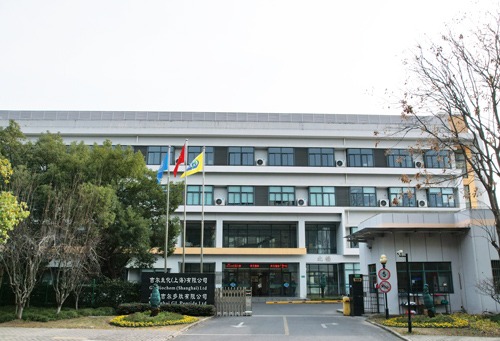
Synapse, a global drug intelligence database, lists Peptide-1 as a colorectal cancer program at the drug discovery stage. The entry, updated on June 11, 2026, names the Affiliated Hospital of Jiangsu University and GL Biochem (Shanghai) Ltd. among the participating organizations.
Peptide-1 remains a laboratory research candidate. It is not an approved treatment, and the findings described here do not establish its safety or benefit in patients.
What Researchers Have Studied
Early research explored whether Peptide-1 could bind to KRAS G12V and affect cancer cell growth.
According to the Synapse summary, researchers used structural analysis and computer simulations to study how the peptide interacts with its target. They also calculated how strongly the two molecules might bind.
These methods suggested that Peptide-1 forms a stable complex with KRAS G12V. Hydrogen bonds and interactions between water-repelling parts of the molecules helped support this binding.
Computer models can help researchers understand a potential drug candidate. However, models alone cannot show whether a candidate will work as a treatment. Laboratory tests provide another important source of evidence.
Early Tests Support Target Binding
The database summary also reports favorable stability in human serum, the liquid portion of blood. This finding suggests that Peptide-1 can resist breakdown under the conditions tested. It does not show how long the peptide would remain active in the human body.
Researchers also used a cell-based test called NanoBRET. The results supported Peptide-1’s ability to engage with KRAS G12V inside cells.
Together, these findings give researchers a reason to continue studying the candidate. Further work is needed to understand its behavior, delivery and effects in more complex biological settings.
Effects on Colorectal Cancer Cells
In laboratory tests, Peptide-1 strongly reduced the growth of colorectal cancer cells. It had weaker effects on the normal cells included in the study.
Researchers also reduced KRAS G12V levels in the cancer cells through a method called knockdown. After this change, Peptide-1 had less activity. This result supports the idea that its effects are linked to KRAS G12V.
The difference between cancer cells and normal cells is worth studying further. However, results from selected cell tests cannot establish that a candidate will be safe for healthy tissues or effective in patients.
Changes in Cell Growth Signals
Researchers observed several changes in SW480 colorectal cancer cells after exposure to Peptide-1.
The peptide reduced the activation of ERK1/2, proteins involved in signals that control cell growth. It also increased levels of p21, a protein that helps slow or stop the cell cycle.
More cells accumulated in the G0/G1 phases of the cell cycle. In plain terms, fewer cells appeared to move forward toward copying their DNA and dividing.
These results offer clues about how Peptide-1 may affect cancer cell growth. They support further research but do not yet prove a clinical benefit.
Why Peptide Production Matters
Research teams need carefully made peptides to test a candidate and compare results across experiments. The correct sequence, suitable purity and consistent production all matter.
Some projects also require unusual amino acids, longer sequences or special modifications. These features can make synthesis and purification more demanding.
GL Biochem reports that it produces more than 10,000 purified custom peptide sequences each month. Its stated capabilities include long peptides with more than 50 amino acids and clinical-grade production.
These broader capabilities provide context for the company’s peptide services. They do not establish the production grade or development status of Peptide-1 itself.
Connecting Laboratory Work With Drug Development
At the 8th Shanghai International Symposium on Medical Oncology, known as SIMOS 2025, GL Biochem presented its GMP personalized peptide neoantigen platform and recent work on peptide-drug conjugates.
Personalized peptide neoantigens are designed around features of an individual patient’s tumor. Peptide-drug conjugates link peptides to other drug components. Both areas require careful design, production and testing.
These platforms are separate from the Peptide-1 findings described above. They show the wider range of peptide technologies that the company supports.
What Research Buyers Should Consider
For pharmaceutical companies, biotech firms and academic teams, Peptide-1 offers an example of an early peptide research program. It also shows why dependable synthesis matters during drug discovery.
When choosing a supplier, teams should discuss the peptide sequence, required amount, purity, testing methods and any special modifications. They should also explain whether the material is intended for laboratory research or a later stage of development.
GL Biochem offers contract research and manufacturing services for peptide programs, with stated support from discovery through clinical and commercial production. Buyers should confirm which services and quality standards apply to their specific project.
Learn More
Peptide-1’s early results support continued investigation into KRAS G12V-targeting peptides for colorectal cancer. Much more research is needed before anyone can determine whether this candidate could become a useful treatment.
For information about the company’s consumer skincare products, visit the JIMEIJIAER skincare website. Research buyers should seek peptide synthesis details and technical documentation through the company’s relevant scientific service channels.


