Freeze-Dried Serum vs Liquid Serum: Buyer's Comparison
News Details
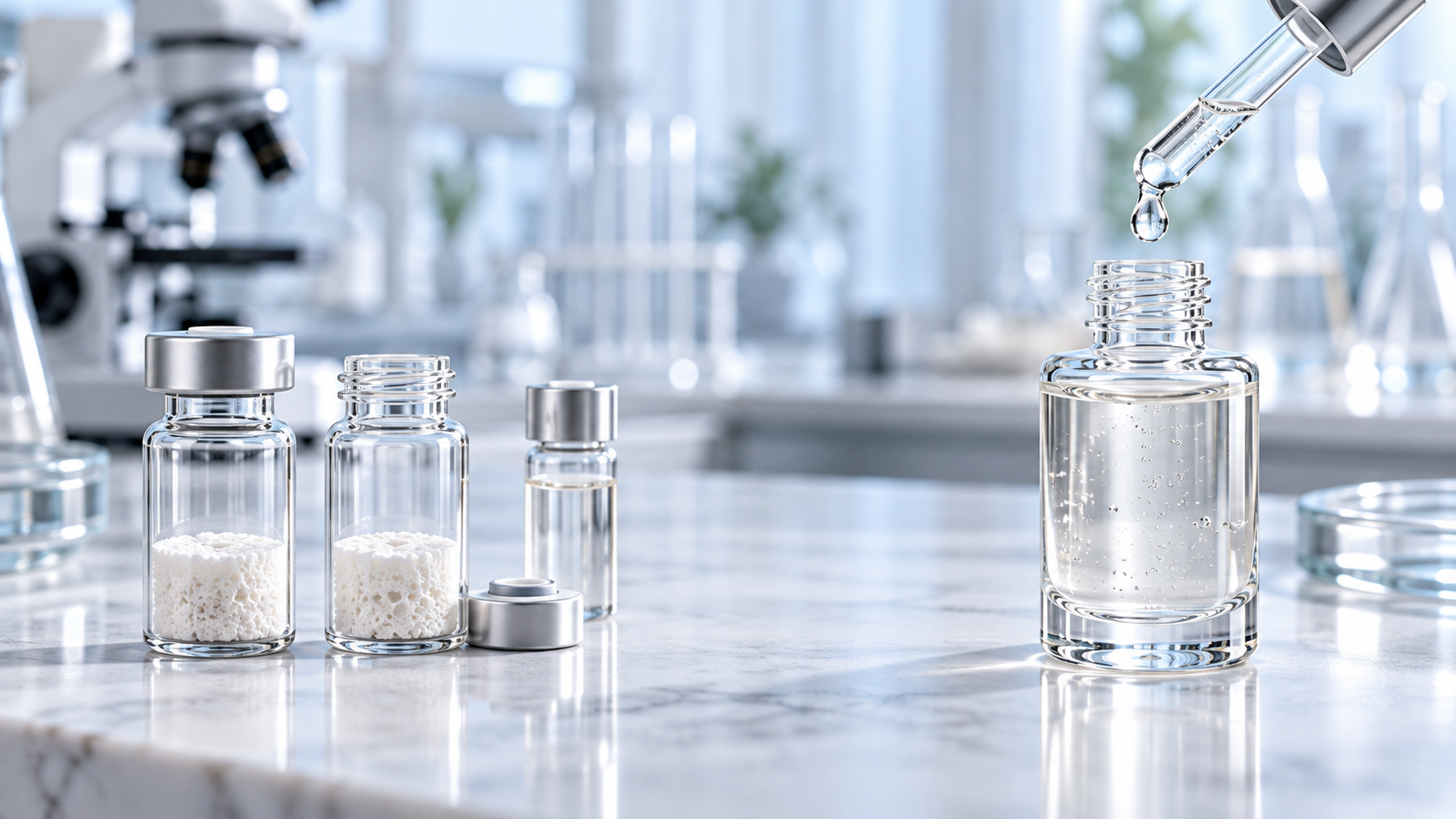
Choosing a serum format affects more than its look on a shelf. For skincare brands, distributors and importers, it also shapes storage needs, packaging costs, customer use and product positioning.
Liquid serums offer a familiar, ready-to-use format. Freeze-dried serums take a different approach by storing a formula in a dry state before it is mixed with a suitable liquid.
However, neither format is always better. The right choice depends on the ingredients, test results, sales channel and target user.
This freeze dried serum vs liquid serum guide explains the main differences, explores lyophilized serum benefits and outlines the checks buyers should make before ordering.
Freeze Dried Serum vs Liquid Serum: What Is the Difference?
A liquid serum contains its ingredients in a fluid base. Depending on the formula, that base may include water, oils, solvents or a mix of these. Most liquid serums are applied straight from a bottle, pump or ampoule.
A freeze-dried serum starts as a liquid formula. During lyophilization, the product is frozen, and ice is removed under reduced pressure. Further drying reduces the remaining moisture.
The result is a dry material, often supplied as a powder or porous cake. Before use, the user combines it with the specified mixing liquid.
Therefore, the main difference is the storage state before application. Once prepared, a freeze-dried serum becomes a liquid product and needs its own clear use instructions.
Freeze Dried Serum vs Liquid Serum: Buyer Comparison Table
| Buying factor | Freeze-dried serum | Liquid serum |
|---|---|---|
| Format before use | Dry powder or cake, with a mixing step | Ready-to-use liquid |
| Customer routine | Requires preparation | Usually simpler |
| Stability approach | Reduces water exposure during dry storage | Uses a suitable base, packaging and protective system |
| Packaging | May need separate powder and liquid containers | Often uses one bottle or pump |
| Quality checks | Include moisture, mixing and post-mixing stability | Include physical, chemical and microbial stability |
| Cost structure | Adds drying and potentially more pack components | Avoids a separate freeze-drying stage |
| Product positioning | Can suit fresh-mix or measured-use concepts | Can suit everyday skincare routines |
| Shelf life | Must be supported by product data | Must be supported by product data |
Use this table as an initial screen. Final decisions should rely on the actual products being compared.
Lyophilized Serum Benefits: Why Brands Consider Dry Storage
One potential benefit of freeze-drying is reduced exposure to water during storage. For certain ingredients, this can help limit some forms of breakdown.
However, the outcome depends on the molecule, supporting ingredients and drying process. In a study of a therapeutic peptide, researchers found that suitable freeze-dried formulas improved dry-state stability. They also measured residual moisture and stability after mixing. These findings explain formulation principles; they do not establish results for a cosmetic serum.
For beauty brands, other potential lyophilized serum benefits include a clear preparation ritual and a distinct pack format.
A measured-use product may also help customers follow a set routine. Yet these commercial benefits depend on good design. If opening or mixing is difficult, the format may reduce convenience.
Peptide Serum Stability: Why the Exact Formula Matters
Peptides differ in structure and behavior. As a result, one peptide may remain stable in a liquid base while another needs a different approach.
Buyers should examine several factors:
- Temperature: Storage and transport conditions can affect the formula.
- pH: The suitable range depends on the peptide and surrounding ingredients.
- Oxygen and light: Exposure may affect sensitive components.
- Ingredient compatibility: Other materials may change stability.
- Packaging: Containers must protect the product and remain compatible with it.
These factors apply to both formats. Freeze-drying introduces its own processing conditions, so a dry appearance alone cannot confirm peptide serum stability.
The useful question is: how much of the specified peptide remains within acceptable limits throughout the claimed shelf life?
Liquid Serums and Peptide Serum Stability: A Practical Option
Liquid serums remain a strong option when the complete formula is well designed and tested.
They remove the mixing step, which can make daily use easier. In addition, pumps and other controlled dispensers can help users apply a consistent amount.
For brands, the ready-to-use format can simplify product demonstrations and customer support. It may also fit well into an existing range of cleansers, moisturizers and sunscreens.
Still, liquid products need suitable protection against chemical change and microbial growth. Packaging and formula design should work together.
Buyers should avoid treating all liquid peptide serums as unstable. Instead, compare test reports for the proposed formula, final container and intended storage conditions.
Lyophilized Serum Benefits Have Limits After Mixing
Dry storage and post-mixing use are two separate stages.
Once the mixing liquid is added, the formula faces a new set of conditions. Its pH, microbial protection and chemical stability must suit the stated use period.
Therefore, buyers should request clear answers to these questions:
- Which liquid should be used?
- What is the correct mixing volume?
- How long should mixing take?
- What should the prepared serum look like?
- Must the whole portion be used at once?
- What storage conditions apply after preparation?
Do not assume that a prepared serum can be kept for several days. Equally, do not assume every freeze-dried product is preservative-free or sterile.
The instructions must reflect the tested product.
Freeze Dried Serum vs Liquid Serum: Packaging and Shipping
Packaging plays a major role in both formats.
For a freeze-dried serum, the container and closure need to limit moisture entry. Buyers should also check whether vibration or handling affects the dry cake, seal or mixing system.
Research on lyophilized peptide reference materials identifies residual moisture and headspace oxygen as important quality attributes. Although those materials are not cosmetic serums, the work shows why dry-state packaging deserves close attention.
Liquid serums need checks for leakage, evaporation, pump function and contact with the container.
For either format, request transport data that reflect the planned route. Freeze-drying does not automatically remove the need for temperature control.
Also compare carton size, breakage risk and the number of packaging parts per application.
JIMEIJIAER Products and Lyophilized Serum Benefits
JIMEIJIAER’s range includes the Polypeptide Anti-Wrinkle Perfecting Essence, which the brand presents as a daily ampoule product using lyophilized technology. The website also lists a Multi-Peptide Anti-Wrinkle Essence and a Translucent Multi-Peptide Beauty Freeze-Dried Mask.
In its discussion of the Perfecting Essence, JIMEIJIAER identifies Acetyl Hexapeptide-8 and Decapeptide-4 and describes a unit-dose freeze-dried format.
For B2B buyers, these products provide a starting point for a peptide-focused range built around measured use and fresh preparation.
Before selecting a product, confirm the current INCI list, pack contents, mixing method and supported claims. Similar product names should not be treated as proof that formulas or instructions are identical.
Peptide Serum Stability: Documents Buyers Should Request
A useful supplier review connects each claim with a document.
Start with the finished-product specification and batch certificate of analysis. Then request stability reports for the final formula in its sales packaging.
For freeze-dried products, review residual moisture limits, mixing performance and post-mixing stability. For liquid products, examine changes in appearance, pH, viscosity and relevant ingredient content.
Both formats also need appropriate microbiological quality checks. Where relevant, ask for preservative efficacy testing.
Next, review the test methods. A report showing that a serum remains clear does not necessarily show that its peptide content is unchanged.
Finally, confirm batch traceability and change-control procedures. Formula, closure or supplier changes may affect the data supporting the product.
Freeze Dried Serum vs Liquid Serum: Compare Cost per Application
The purchase price alone can hide important differences.
Freeze-dried products may involve extra processing, separate containers and more assembly. Liquid serums may offer simpler filling, although premium pumps and protective packaging can also add cost.
Compare both products using the same basis:
Cost per application = total product cost ÷ number of intended applications
Then add freight, duties, inspection and expected losses to assess landed cost.
Also consider customer support. A product that needs detailed mixing guidance may require more training or visual instructions.
Ask suppliers to quote the same order volume, pack quality and documentation scope. This makes the comparison more useful than comparing bottle prices alone.
Choosing Freeze Dried Serum vs Liquid Serum for Your Market
Choose a freeze-dried format when its tested stability profile, preparation method and packaging support your product plan. It can suit buyers seeking a distinct fresh-mix experience, provided users understand the process.
Choose a liquid format when ready-to-use convenience is central and the formula meets your stability and performance goals.
In either case, ingredient preservation and visible skin benefits require separate evidence. Stable peptide content supports quality, while product testing supports claims about skin appearance.
Explore JIMEIJIAER’s peptide skincare range to discuss samples, technical documents and wholesale requirements. Share your target market, price range and preferred customer routine so the format can be assessed against clear business needs.


