Multi-Peptide Serum Formulation Guide for Skincare Brands
News Details
Peptide skincare products are growing fast in the global beauty market. Today, buyers want anti-aging products that deliver quick, clear results. Because of this demand, formulating a multi peptide serum formulation is a great way to help your cosmetic brand stand out.
However, working with active peptides requires careful chemical control. Peptides are sensitive chains of amino acids. They can easily lose their strength if your production process has mistakes. Therefore, formulators must pay close attention to every detail during product development.
This technical guide walks you through the main rules of peptide stability. You will learn how to build a high-performance serum using high-purity ingredients from JIMEIJIAER (the cosmetic peptide brand of GL Biochem Group).
What Is a Multi-Peptide Serum Formulation?
A multi peptide serum formulation combines two or more active peptides in one clear liquid or gel base. Each peptide targets a different skin issue. For example, signal peptides boost collagen production, while neurotransmitter-inhibiting peptides help relax expression lines.
By combining different peptides, your brand can offer complete anti-aging solutions. But mixing active raw materials is not simple. You must choose ingredients that work well together without breaking down.
When you create a multi-peptide blend, you must balance four main areas:
-
Active Ingredients: Signal peptides, copper peptides, and carrier peptides.
-
Water Base: Deionized water and hydrosols.
-
Thickeners: Xanthan gum, carbomer, or hyaluronic acid.
-
Preservatives & Chelators: Clean preservative systems that do not affect peptide chains.
Understanding Peptide Formulation pH Balance
The pH level of your formula is the most critical factor for product stability. Every active peptide stays stable only within a narrow pH window. Therefore, keeping the right peptide formulation pH ensures your serum stays effective on the shelf.
[Target pH: 5.0 - 6.5] ---> Maintains Peptide Chain Structure [pH Below 4.0] ---> Risk of Acid Hydrolysis (Peptide Degrades) [pH Above 7.5] ---> Risk of Oxidation and Color ShiftMost cosmetic peptides work best between pH 5.0 and 6.5. If the pH drops below 4.0, strong acid conditions can split the peptide bonds. On the other hand, if the pH goes above 7.5, oxidation can cause the serum to change color or lose power.
How to Adjust and Maintain pH Levels
-
Add Buffer Systems: Use sodium citrate or phosphate buffers to keep pH levels steady over time.
-
Adjust Carefully: Use a 10% citric acid solution to lower pH, or a 10% sodium hydroxide solution to raise pH.
-
Check Temperature: Always measure pH at room temperature (25°C) after your batch cools down.
Managing Peptide Compatibility with Other Actives
To avoid formula separation or loss of active power, you must understand peptide compatibility. Not all skincare actives mix well in a single beaker. Joining incompatible raw materials can ruin your entire batch.
Good Combinations
-
Hyaluronic Acid: Provides deep moisture and holds water without reacting with peptides.
-
Niacinamide (Vitamin B3): Works well at pH 5.5 to 6.5 to brighten skin and strengthen the skin barrier.
-
Non-Ionic Hydrotropes: Help dissolve oil-soluble actives without disturbing peptide charges.
Combinations to Avoid
-
Direct L-Ascorbic Acid (Vitamin C): Low pH levels (below 3.5) break down peptide chains.
-
Strong AHA/BHA Acids: High acid levels alter peptide structures and deactivate the serum.
-
Direct Copper Peptides with Strong Antioxidants: Can cause chemical reactions that change the product color.
Step-by-Step Production Process for Stable Serums
Creating a stable serum requires careful handling during manufacturing. Peptides react poorly to extreme heat and strong mechanical mixing. Follow this clear process to protect your batch:
-
Prepare the Water Phase: Disperse your thickener (such as Hyaluronic Acid or Xanthan Gum) in deionized water until smooth and clear.
-
Add Support Actives: Mix in water-soluble ingredients like Niacinamide and moisturizing factors.
-
Cool Down the Batch: Cool the liquid base below 40°C before adding any peptides. High heat can destroy delicate peptide structures.
-
Incorporate JIMEIJIAER Peptides: Add your pre-mixed peptide solution slowly while stirring at low speeds.
-
Adjust pH and Preserve: Check the final peptide formulation pH and add your clean preservative system.
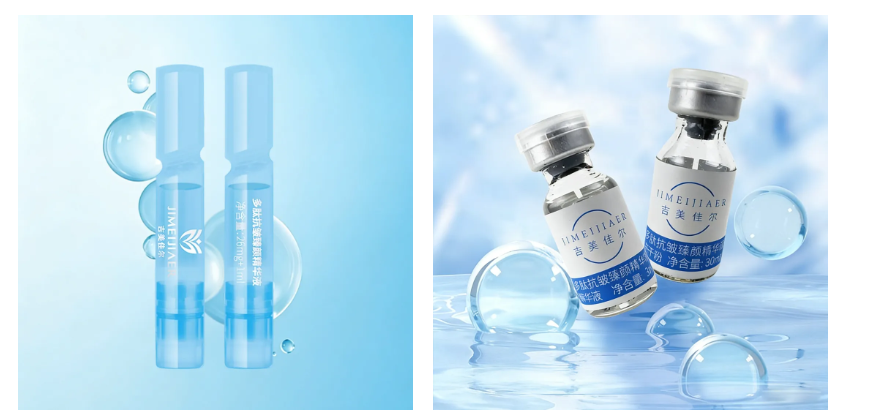
Why Choose JIMEIJIAER Cosmetic Peptide Raw Materials?
Quality raw materials make product formulation much easier. JIMEIJIAER, backed by GL Biochem's extensive peptide R&D network, provides pure cosmetic peptides, freeze-dried powders, and custom CDMO formulation services for global beauty brands.
Key Advantages of JIMEIJIAER
-
High Purity Standards: Pharmaceutical-grade peptide synthesis ensures long shelf life and consistent anti-aging results.
-
Broad Ingredient Selection: Offers Palmitoyl Tripeptide-1, Palmitoyl Tetrapeptide-7, Acetyl Hexapeptide-8, and custom multi-peptide premixes.
-
Advanced Freeze-Dried Tech: Lyophilized peptide solutions protect sensitive actives from heat and light during shipping.
-
Global Compliance: Fully registered with the U.S. FDA and compliant with international cosmetic regulations.
Key Takeaways for Cosmetic Brands
Formulating a successful multi peptide serum formulation requires steady control of your lab conditions. By controlling your peptide formulation pH, confirming peptide compatibility, and sourcing high-purity actives from suppliers like JIMEIJIAER, your brand can launch safe, effective, and market-ready anti-aging products.


