Peptide Stability in Cosmetics: Heat, pH & Delivery
News Details
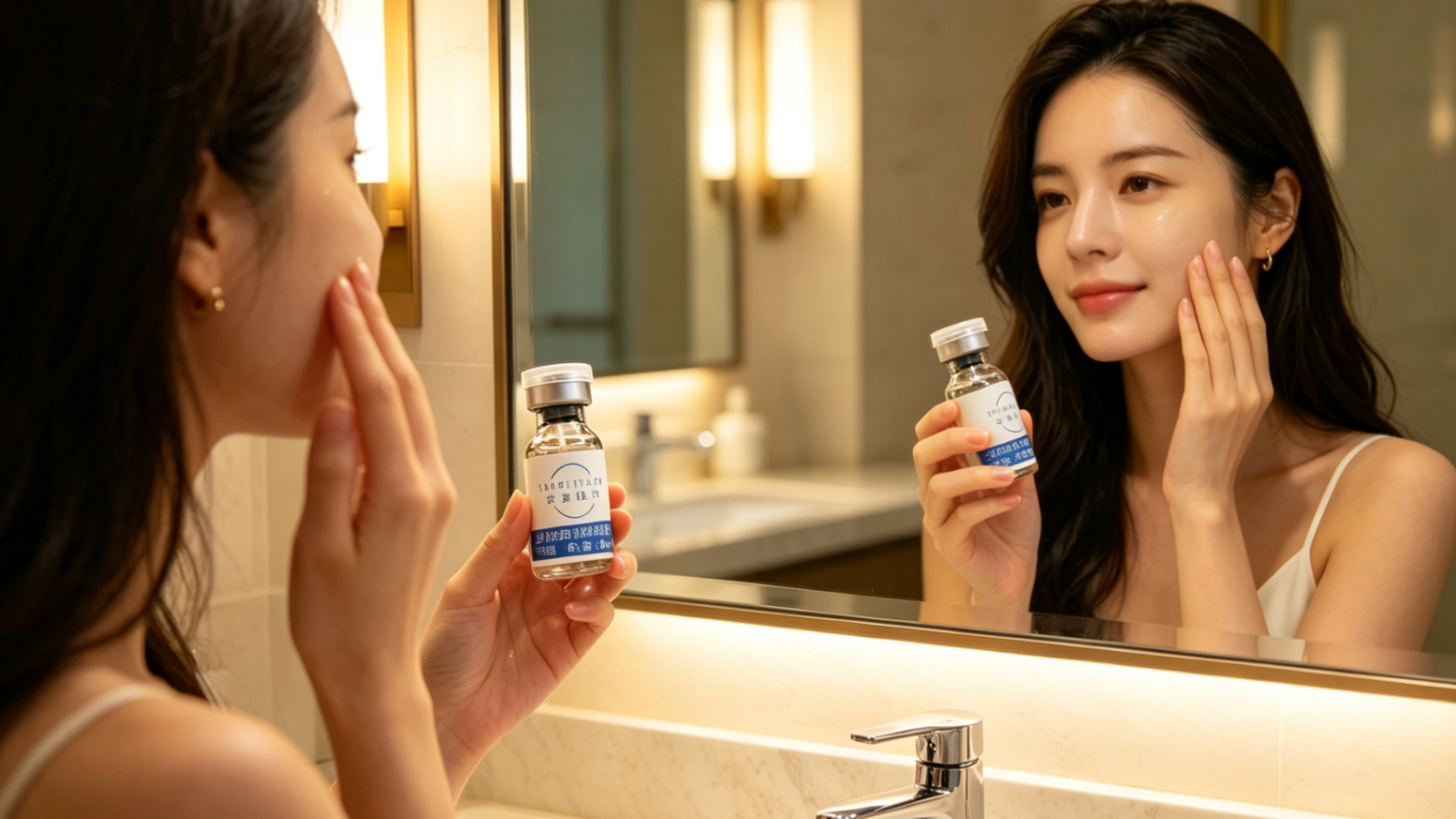
Peptides are key ingredients in modern anti-aging skincare. These small chains of amino acids send signals to skin cells, boosting collagen, smoothing lines, and fixing damaged skin. However, raw peptides are sensitive. Without simple precautions, they break down fast before reaching the skin.
Maintaining peptide stability in cosmetics is a major task for formulators and cosmetic brands. Factors like heat, bad pH levels, and exposure to oxygen break down active peptides. This turns a good serum into an inactive liquid. Understanding these basic threats and using a good peptide delivery system are clear steps to build strong skincare lines.
What Makes Peptides Unstable in Cosmetics?
Peptides contain amino acids linked together by chemical bonds. These links break down when exposed to stress. Bad conditions during mixing, storage, or use change the structure, making the peptide lose its power.
1. Heat Degradation: Thermal Breakdown of Amino Acid Chains
High heat harms peptide structures directly. In factory mixing, hot processes often heat water and oil mixtures above 70°C.
High heat breaks apart the delicate chains. Heat speeds up water breakdown, splitting the peptide into single amino acids that cannot send skin signals. Heat also twists the shape of larger peptides. Once bent out of shape, the peptide cannot connect with skin cell targets.
Formulators should add peptides during the cool-down stage, keeping temperatures below 40°C to protect active ingredients.
2. pH Sensitivity: Acidic and Alkaline Hydrolysis
Every cosmetic peptide works best in a set pH range, usually between 4.5 and 6.5. Moving outside this range leads to quick chemical damage.
-
High Acid Levels (pH below 4.0): Acidic formulas snap peptide links. Ingredients like fruit acids or pure Vitamin C destroy peptides if mixed without buffers.
-
High Alkaline Levels (pH above 7.5): Alkaline formulas change key amino acids in the chain. This shift alters the charge and stops the peptide from working.
Keeping a steady pH with simple buffering agents keeps peptides active over time.
3. Peptide Oxidation: Chemical Damage from Air and Metals
Peptide oxidation is a major cause of raw ingredient loss. Peptides with sensitive amino acids react easily with oxygen, air bubbles, and free radicals.
During product mixing and filling, air exposure creates several problems:
-
Unwanted Bond Shifts: Free cysteine units link up incorrectly under air, changing the peptide shape.
-
Side-Chain Oxidation: Methionine reacts with air, turning off its skin-signaling ability.
-
Metal Reaction Hazards: Copper and iron traces speed up air damage, breaking down ingredients fast.
Stopping peptide oxidation requires airless bottles, simple metal blockers, and added antioxidants like Vitamin E.
4. Poor Skin Permeation: The Delivery Barrier
Even if a peptide stays stable in a bottle, it faces a tough outer skin layer. The top skin layer acts as a wall against water-based ingredients.
Because many peptides like water and are large, they cannot pass through oil-based skin barriers alone. Without an active peptide delivery system, most peptides rest on top of the skin, offering few real benefits.
Solutions for Maintaining Peptide Stability in Cosmetics
Raw peptides lose their power quickly when exposed to heat, bad pH, or air. To fix these basic formulation problems, JIMEIJIAER offers stable raw solutions. By using lipid caps, dry powder methods, and high-purity synthesis, these solutions stop breakdown, help skin uptake, and keep skincare products active over time.
Encapsulation and Carrier Systems
Using a targeted peptide delivery system keeps fragile molecules safe from air and pH shifts.
-
Liposomes and Micro-emulsions: Enclosing peptides inside lipid layers protects them from water damage and aids skin uptake.
-
Polymer Carrier Particles: Small polymer coats cover the peptide, releasing active parts slowly after passing the outer skin layer.
-
Fatty Acid Attachment: Adding simple fatty chains to the peptide raises oil compatibility, helping the ingredient slide into skin layers naturally.
Freeze-Drying Technology
Water causes chemical breakdown and air damage over time. Removing water through freeze-drying keeps peptides safe in solid form. Freeze-dried peptide powders keep raw ingredients fresh for years, activating only when mixed with liquids right before use.
JIMEIJIAER Peptide Solutions: High-Purity Active Ingredients
At JIMEIJIAER, we combine real research methods with clean factory production to stop stability issues early. Backed by GL Group, our expert labs and certified production lines deliver reliable peptide ingredients for global cosmetic brands.
-
95%+ High-Purity Synthesis: Using advanced solid-phase production, we cut out raw impurities that lead to peptide oxidation.
-
Advanced Freeze-Drying Lines: Our dry-powder lines clear moisture without heat damage, keeping sensitive peptides stable for long storage.
-
Stabilized Carrier Systems: We offer ready peptide mixes and custom peptide delivery system choices, helping your final product reach high skin uptake and long shelf life.
-
Full OEM/ODM and CDMO Support: From custom peptide synthesis to full formula design, JIMEIJIAER offers steady batch quality with clear test reports.
Visit JIMEIJIAER Official Site to find high-purity cosmetic peptides and custom formula support for your next product line.
Summary
Making effective peptide skincare means controlling simple factors. Keeping mix temperatures low, holding safe pH levels, avoiding peptide oxidation, and choosing a proper peptide delivery system are core steps to hold active power. Working with an experienced supplier like JIMEIJIAER ensures your skincare line brings clear, real results with proven peptide stability in cosmetics.


